How Does Human Use of Nitrogen Affect Our Climate?

Sönke Zaehle
Profile Picture of - Sönke Zaehle

Sönke Zaehle

Abstract information

In this video, SÖNKE ZAEHLE explores how human-induced nitrogen inputs affect the Earth’s climate system. Using an integrated modeling approach, his team assessed how nitrogen from agriculture and fossil fuel combustion influences greenhouse gases, aerosols, and radiative forcing. Their findings show that nitrogen both cools and warms the planet—through carbon storage and N₂O emissions, respectively—while also altering short-lived climate forcers like methane and ozone. ZAEHLE warns that cleaning up nitrogen pollution could unintentionally reduce this cooling, requiring greater efforts to meet climate targets.

DOI:

https://doi.org/10.21036/LTPUB101206

Researcher

Sönke Zaehle is Director of the Department of Biogeochemical Signals at the Max Planck Institute for Biogeochemistry in Jena, Germany, and Honorary Professor at Friedrich Schiller University Jena. His research focuses on the interactions between terrestrial ecosystems and the climate system, integrating ecological data and remote sensing with large-scale biosphere modeling. Zaehle leads the development of the QUINCY model and contributes to projects on nutrient-carbon-climate feedbacks such as TRENDY, 4C, and ESA’s Land-Carbon-Constellation. He is a lead author of the IPCC Sixth Assessment Report and serves as Associate Editor for "Biogeosciences" and advisor to "New Phytologist".
Institution information

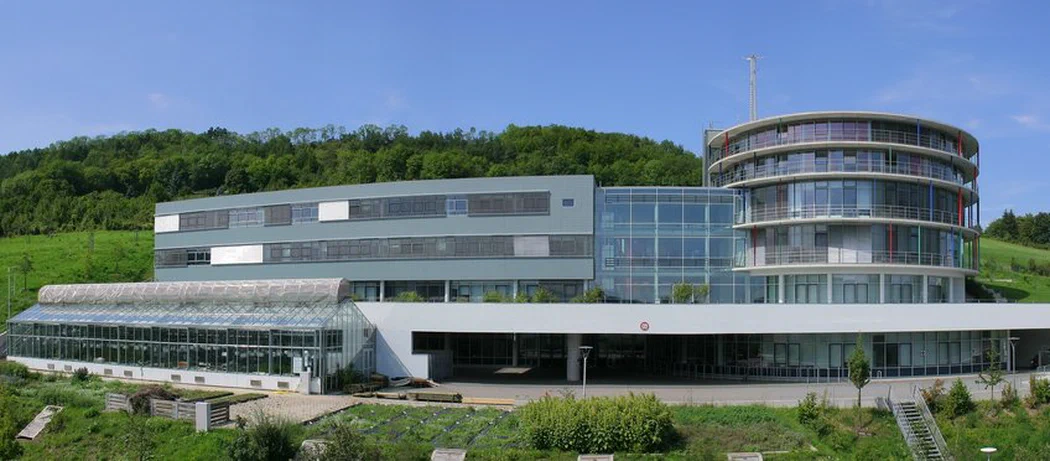
Max Planck Institute for Biogeochemistry

Located in Jena, this research center investigates how living organisms and physical processes interact to shape the Earth’s climate and environment. Since its start in 1997, it has become a central authority on the global carbon, water, and nutrient cycles, specifically focusing on how these systems respond to human impact.

The facility is famous for managing the Zotino Tall Tower Observatory in Siberia, a massive mast used to measure greenhouse gases across the northern hemisphere. Researchers here use a mix of field experiments and complex computer modeling to predict future environmental shifts. Currently, the institute is heavily involved in tracking how rising temperatures affect the ability of forests and soils to store carbon dioxide on a global scale.

Cover Photo of -

Original Publication

Global net climate effects of anthropogenic reactive nitrogen

Book Recommendation

The Glass Bead Game

Hermann Hesse

Mastering the glass bead game, a program from all human sciences, is Joseph Knecht's goal in life. In doing so, he encounters dilemmas again and again. Joseph Knecht's journey is Hermann Hesse's last work – and an absolute classic.

Citation

Sönke Zaehle, 

Latest Thinking, 

How Does Human Use of Nitrogen Affect Our Climate?, 

https://doi.org/10.21036/LTPUB101206

Credits:

© Sönke Zaehle 

and Latest Thinking

This work is licensed under CC-BY 4.0