How Can Waste Be Converted Into a Source of Carbon for the Production of Chemicals?

Largus T. Angenent
Profile Picture of - Largus T. Angenent

Largus T. Angenent

Abstract information

Currently, the petrochemical industry uses fossil fuels as the source of carbon for the production of many things, including plastics. This is problematic because carbon dioxide adds to climate change and, in addition, fossil fuels are running out. Therefore, LARGUS ANGENENT and his research group are looking for new sources of carbon. As he explains in this video, their aim is to convert waste into the chemicals needed without adding anything to the original waste product. Specifically, they have focused on acid whey, a side product from the production of Greek yogurt. They have developed a two-phase system that allows them to convert acid whey into medium-chain carboxylic acids, their product of choice. This successful conversion from valueless waste into a useful product is an important step in the process of resource recovery.

DOI:

https://doi.org/10.21036/LTPUB10609

Researcher

Largus Angenent is Professor of Environmental Biotechnology at the Center of Applied Geosciences, Eberhard Karls University of Tübingen. Before this appointment, he was Professor in the Department of Biological and Environmental Engineering at Cornell University. Currently, he is interested in recovering carbon with open cultures, defined mixed cultures or pure cultures of microbes. He is co-owner of several US patents and has received a number of awards and honors, for instance, the Alexander von Humboldt Professorship (2017) and the SUNY Chancellor’s Award for Excellence in Scholarship and Creative Activities (2015).
Institution information

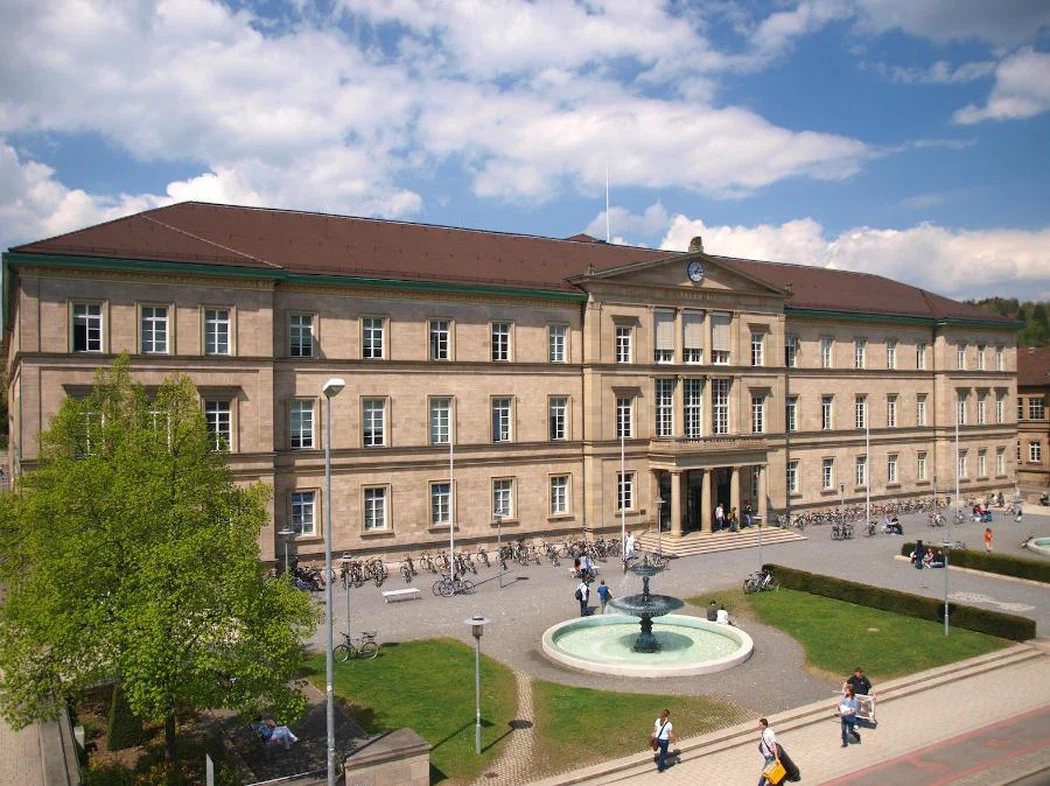
University of Tübingen (Eberhard Karls Universität Tübingen)

Established in 1477, the University of Tübingen is a premier German “Excellence University” and a global top-100 institution. It remains a historic powerhouse for philosophy and theology while leading modern research in AI, neuroscience, and medicine. Integrated into a medieval town where students make up one-third of the population, it bridges centuries of tradition with cutting-edge innovation.
Cover Photo of -

Original Publication

Temperature-Phased Conversion of Acid Whey Waste Into Medium-Chain Carboxylic Acids via Lactic Acid: No External e-Donor

Jiajie Xu,

Jiuxiao Hao,

Juan J. L. Guzman,

Catherine M. Spirito,

Lauren A. Harroff,

Published in

Citation

Largus T. Angenent, 

Latest Thinking, 

How Can Waste Be Converted Into a Source of Carbon for the Production of Chemicals?, 

https://doi.org/10.21036/LTPUB10609, 

Credits:

© Largus T. Angenent 

and Latest Thinking

This work is licensed under CC-BY 4.0