Can Autism Be Explained by Biological Causes and Hence Be Treated Medically?

Nils Brose
Profile Picture of - Nils Brose

Nils Brose

Abstract information

Autism spectrum disorders are largely of genetic origin, and 5-10% of cases are currently known to be caused by a single gene mutation. Understanding the consequences of these mutations in detail can open the way for medical treatment. The study presented in this video focused on how a frequent mutation seen in patients with autism spectrum disorders causes the brain dysfunction that leads to the behavioral symptoms. Based on mice with the same genetic lesion that is known to cause autism spectrum disorder in human patients, mutant brains and nerve cells and the behavior of mutant mice were examined. The mice showed clear signs of autism related behavioral defects, and further analyses provided insights into the changes in brain function that are caused by the gene mutation, as NILS BROSE explains in this video. The corresponding data show that synapses of nerve cells that use the neurotransmitter GABA are particularly affected by the mutation. If these results can be confirmed to reflect the situation in the human body, there would be a chance to interfere with medication targeting GABAergic synapses.

DOI:

https://doi.org/10.21036/LTPUB10270

Researcher

Nils Brose is Director at the Department of Molecular Neurobiology of the Max Planck Institute for Experimental Medicine in Göttingen, Germany. Brose completed his studies with a Master’s degree in Physiology from the University of Oxford and a PhD in Biology from the Ludwig Maximilians University Munich. Brose’s fields of expertise are the molecular mechanisms of nerve cell development. As leader of the research group on molecular neurobiology, Brose researches synaptic cell adhesion proteins and how they influence neuropsychiatric diseases, such as autism spectrum disorders.
Institution information

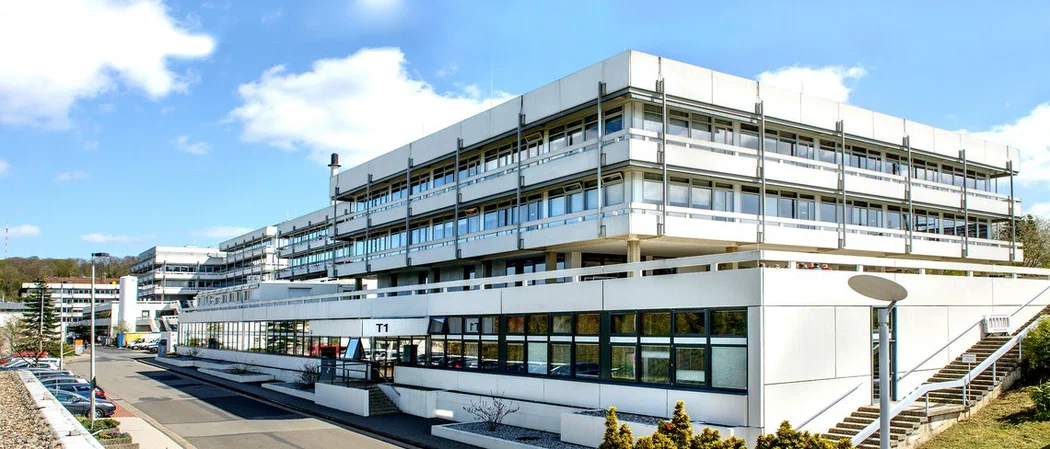
Max Planck Institute for Multidisciplinary Sciences

Inaugurated in 2022 through a merger of two historic Göttingen-based centers, this institution represents one of the largest and most diverse research units within the Max Planck Society. It bridges the gap between biology, physics, and chemistry to explore the fundamental mechanisms that sustain life.

The facility is a pioneer in high-resolution imaging and structural biology, utilizing advanced tools like cryo-electron microscopy to visualize atoms in motion. Research here spans from how cells organize their genetic material to the physical principles behind protein folding and neural communication. Currently, the institute is pushing the boundaries of “nanoscopy,” a field led by its resident Nobel laureates to view living processes at a scale previously thought impossible.

Cover Photo of -

Original Publication

Perturbed Hippocampal Synaptic Inhibition and Gamma-Oscillations in a Neuroligin-4 Knockout Mouse Model of Autism

Matthieu Hammer,

Dilja Krueger‐Burg,

Liam P. Tuffy,

Benjamin H. Cooper,

Holger Taschenberger,

Published in

Citation

Nils Brose, 

Latest Thinking, 

Can Autism Be Explained by Biological Causes and Hence Be Treated Medically?, 

https://doi.org/10.21036/LTPUB10270, 

Credits:

© Nils Brose 

and Latest Thinking

This work is licensed under CC-BY 4.0