How Can Dissenting Historical Narratives of Law Be Uncovered and Shared through Transmedia Historytelling?

Karla Escobar
DOI:
https://doi.org/10.21036/LTPUB101188Researcher
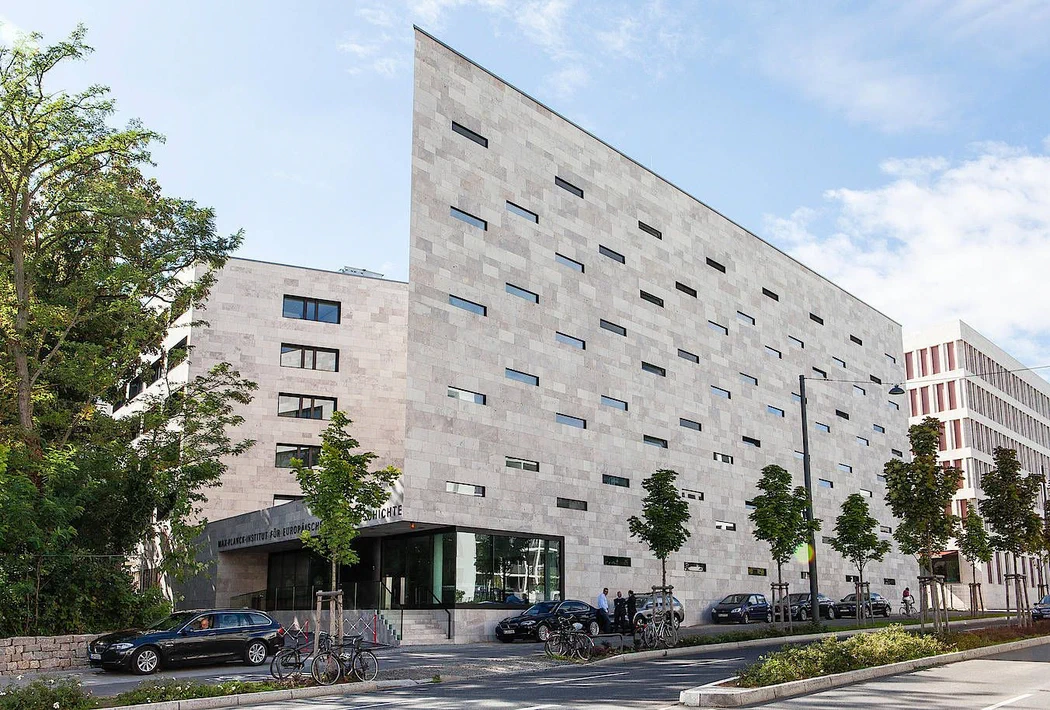
Karla Luzmer Escobar Hernández is a researcher at the Max Planck Institute for Legal History and Legal Theory in Frankfurt, Germany, specializing in legal history, indigenous legal practices, and transmedia narratives. She holds degrees in History and Political Science from the Universidad de los Andes (Bogotá, Colombia), where she also earned a Master's in History, followed by a Master's in History of the Hispanic World at the Universitat Jaume I in Spain. Her doctoral studies were completed at the Faculty of Law at Universidad de los Andes and the Max Planck Institute for Legal History and Legal Theory (2020). Her most recent book is Camino y ruptura. Una historia gráfica de las prácticas jurídicas indígenas en el Cauca a principios del siglo XX (2024).
Original Publication
Indigenous Law and Social Mobilization: A History of the Concept of Derecho Mayor in Cauca (Colombia)
Karla L. Escobar H.
Published inWhat is Transmedia HistoryTelling about?
Del investigador solitario y otras ficciones / I
Camino y ruptura : una historia gráfica de las prácticas jurídicas indígenas en el Cauca a principios del siglo XX
Book Recommendation
Camino y ruptura
Karla Luzmer Escobar Hernández
The indigenous history of Colombia is key to understanding citizenship today. Camino y ruptura sheds light on the present through its reading of the past. Based on Karla Luzmer Escobar Hernández’s doctoral research, it depicts the tireless struggle of southwestern Colombian indigenous peoples in the late 19th and early 20th centuries for land rights. Their experiences reveal the complexities of politics, war, and law in a culturally diverse region. Created with talented artists, the work explores Law 89 of 1890 and its interpretations by indigenous leaders and state officials, and extends into transmedia storytelling with audiovisual resources.
Citation
Karla Escobar,
Latest Thinking,
How Can Dissenting Historical Narratives of Law Be Uncovered and Shared through Transmedia Historytelling?,
https://doi.org/10.21036/LTPUB101188,
Credits:
© Karla Escobar
and Latest Thinking
This work is licensed under CC-BY 4.0