How Did African Intermediaries Shape Colonial Law Through Agency and Translation?

Raquel Sirotti
DOI:
https://doi.org/10.21036/LTPUB101182Researcher
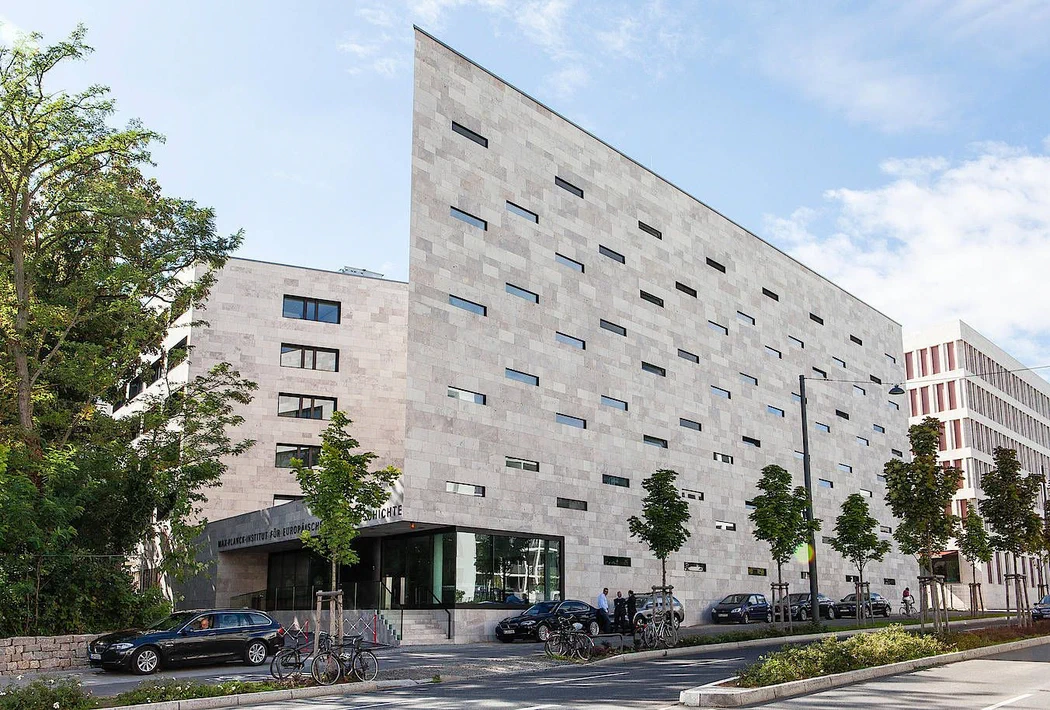
Raquel Sirotti is a postdoctoral researcher at the Max Planck Institute for Legal History and Legal Theory, where she has been based since 2020. Her research focuses on court cases, normative production, and the history of crime, punishment, and criminal law, with a particular emphasis on Brazil and Mozambique. Sirotti completed her PhD at the Max Planck Institute for Legal History and Legal Theory / Goethe-Universität Frankfurt in 2020, graduating summa cum laude. She also holds an M.A. in Law (Legal History and Legal Theory) from the Federal University of Santa Catarina, Brazil, where she also graduated summa cum laude. Sirotti obtained her Bachelor of Laws (J.D.) from the State University of Maringá, Brazil, in 2013.
Original Publication
Unwritten Histories: exploring colonial normativities in Africa through podcasting
Tramas Coloniais | Podcast
Book Recommendation
Citizen and Subject
Mahmood Mamdani
Mahmood Mamdani's Citizen and Subject (1996) critically examines the roots of persistent problems in African governments. Using sharp analytical skills, Mamdani explores how post-colonial states inherited corruption, anti-democratic rule, and racially or ethnically biased structures from European colonial regimes like Britain and France. He evaluates existing explanations, exposing hidden assumptions, and offers a fresh vision for overcoming obstacles to democratization. A dense and insightful study, the book remains highly influential today.
Citation
Raquel Sirotti,
Latest Thinking,
How Did African Intermediaries Shape Colonial Law Through Agency and Translation?,
https://doi.org/10.21036/LTPUB101182
Credits:
© Raquel Sirotti
and Latest Thinking
This work is licensed under CC-BY 4.0