How Does Human Use of Nitrogen Affect Our Climate?

Sönke Zaehle
DOI:
https://doi.org/10.21036/LTPUB101206Researcher
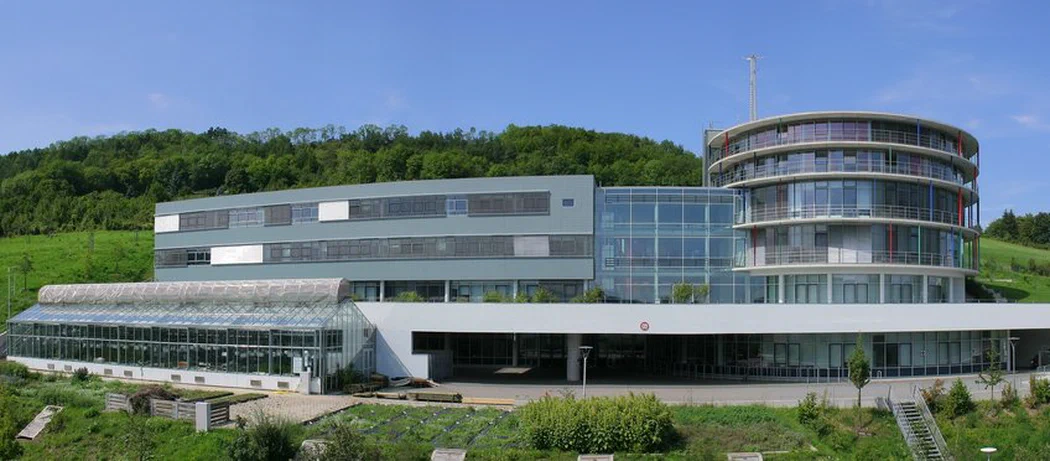
Sönke Zaehle is Director of the Department of Biogeochemical Signals at the Max Planck Institute for Biogeochemistry in Jena, Germany, and Honorary Professor at Friedrich Schiller University Jena. His research focuses on the interactions between terrestrial ecosystems and the climate system, integrating ecological data and remote sensing with large-scale biosphere modeling. Zaehle leads the development of the QUINCY model and contributes to projects on nutrient-carbon-climate feedbacks such as TRENDY, 4C, and ESA’s Land-Carbon-Constellation. He is a lead author of the IPCC Sixth Assessment Report and serves as Associate Editor for "Biogeosciences" and advisor to "New Phytologist".
Original Publication
Global net climate effects of anthropogenic reactive nitrogen
Cheng Gong,
Hanqin Tian,
Hong Liao,
Naiqing Pan,
Shufen Pan,
Published inBook Recommendation
The Glass Bead Game
Hermann Hesse
Mastering the glass bead game, a program from all human sciences, is Joseph Knecht's goal in life. In doing so, he encounters dilemmas again and again. Joseph Knecht's journey is Hermann Hesse's last work – and an absolute classic.
Citation
Sönke Zaehle,
Latest Thinking,
How Does Human Use of Nitrogen Affect Our Climate?,
https://doi.org/10.21036/LTPUB101206,
Credits:
© Sönke Zaehle
and Latest Thinking
This work is licensed under CC-BY 4.0