In this video, RALF SCHIEBEL presents his research on understanding the geochemistry of climate change through ocean-atmosphere interactions. Using a custom research sailboat, his team measures the surface ocean, lower atmosphere, and marine plankton to reconstruct both current and past climate conditions. Their work aims to provide a detailed, systematic understanding of oceanic processes, greenhouse gas exchange, and the biogeochemistry of the oceans to improve climate models and predictions.
DOI:
https://doi.org/10.21036/LTPUB101236
Researcher
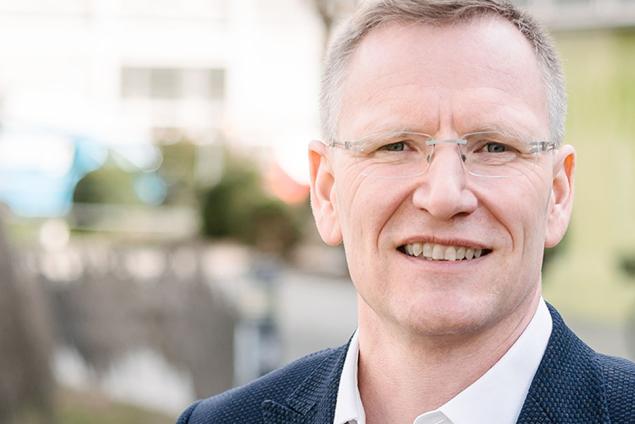
Ralf Schiebel has led projects on ocean and climate as a professor of geology, conducting expeditions on all the world's oceans. He is head of a climate geochemistry research group at the Max Planck Institute for Chemistry in Mainz, and scientific coordinator of the research sailing vessel S/Y Eugen Seibold since 2015. His research is targeted at a better understanding of the exchange processes between the atmosphere and the ocean, and the role of the oceans in past and present climate change.
Institution
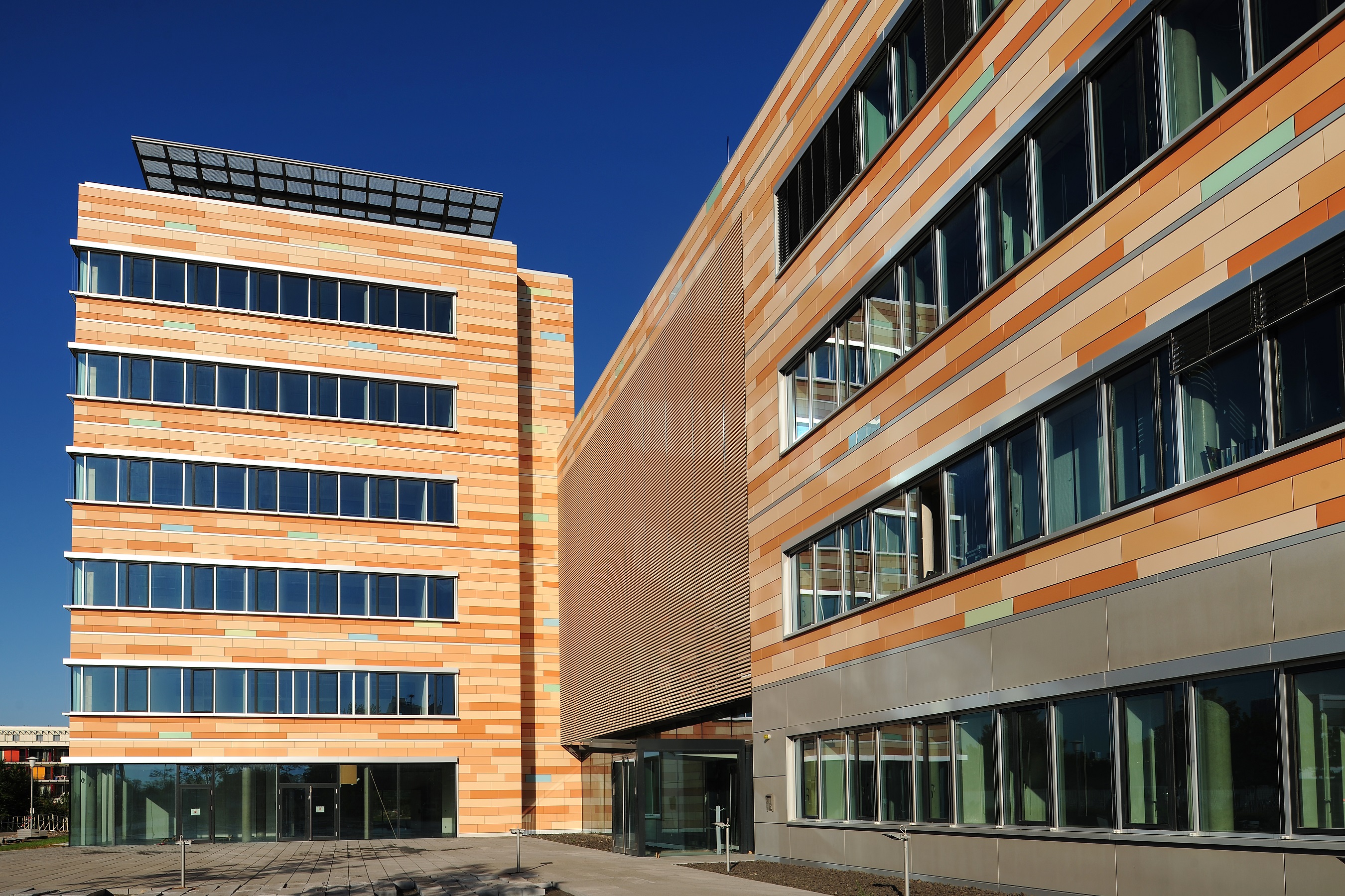
The current research at the Max Planck Institute for Chemistry (MPIC) aims at an integral understanding of chemical processes in the Earth system, especially in the atmosphere and biosphere. Investigations address a wide range of interactions between air, water, soil, life and climate in the course of Earth history up to today´s human-driven epoch, the Anthropocene. The Max Planck Institute for Chemistry is one of the two oldest institutes of the Max Planck Society. It was founded in 1912 as the Kaiser Wilhelm Institute for Chemistry in Berlin, and it was relocated to Mainz in 1949. Particularly well-known scientists in the Institute´s history are the Nobel laureates Richard Willstätter, Otto Hahn, and Paul Crutzen. Our scientists conduct laboratory experiments, collect samples and record measurement data during field campaigns utilizing airplanes, ships, and vehicles. The practical work is complemented with mathematical models that simulate chemical, physical, and biological processes from molecular to global scales. One of the major goals is to find out how air pollution, including reactive trace gases and aerosols, affect the atmosphere, biosphere, climate, and public health.
Original publication
Migrating is not enough for modern planktonic foraminifera in a changing ocean
S. Chaabane, T. De Gardiel-Thoron, J. Meilland, O. Sulpis, T.B. Chalk, G.J.A. Brummer, P.G. Mortyn, X. Giaraud, H. Howa, N. Casajus, A. Kuroyanagi, G. Beaugrand and R. Schiebel
Nature
Published in 2024