A Space for Connection, Collaboration and Code
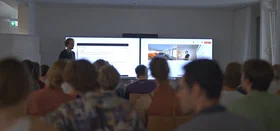
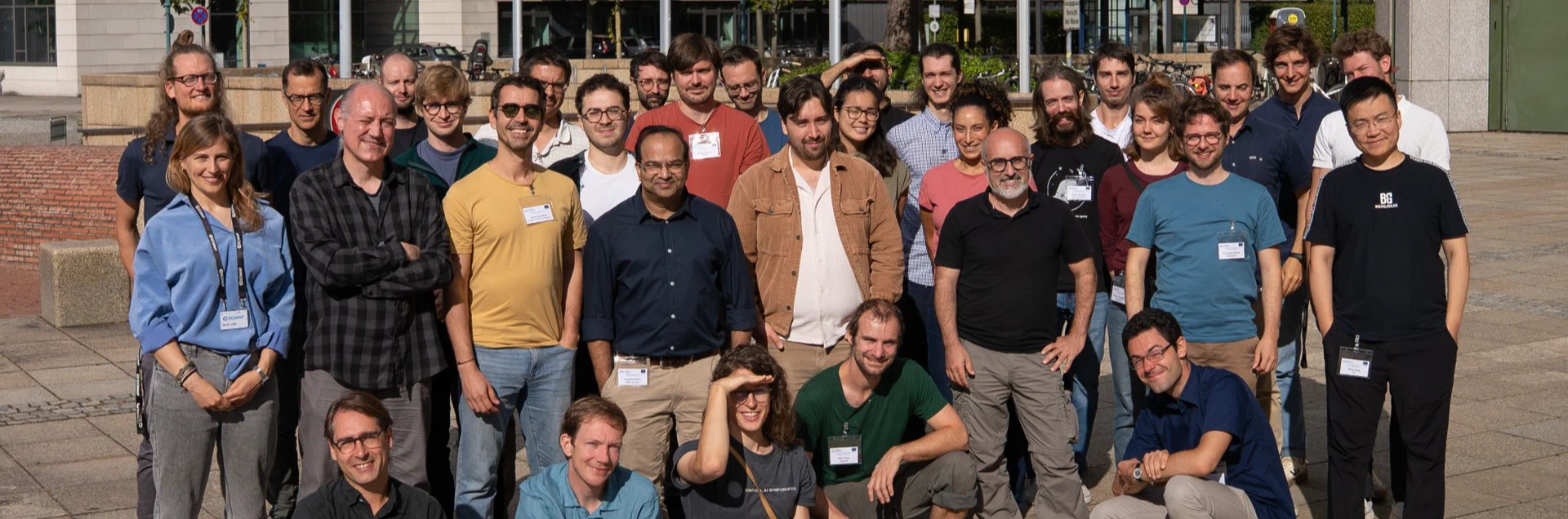
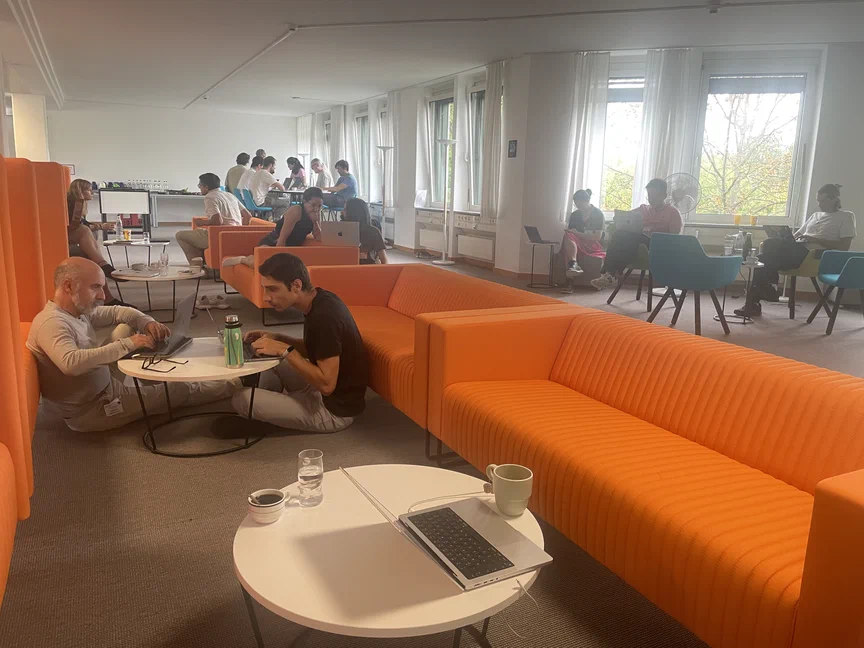
The hackathon opened with partner introductions and an application round-table, setting the stage for open exchange. Throughout the three days, participants worked side by side in break-out sessions, shared the latest developments in model training and tooling to foster knowledge transfer between institutions and disciplines.
During the final session of the mentorship program early career researchers and mentors came together to reflect on their experiences and academic journeys. Maike Sonnewald (UC Davis) shared insights on the value of diverse paths into climate science, the importance of trust and openness in mentoring, and how strong guidance can help young scientists grow.
The event also featured in-depth presentations on the WeatherGenerator’s two core components: the Atmosphere model and the Land model. These sessions gave a first-hand look into the challenges and progress in developing this AI-based system, designed to generate realistic weather and climate data from a wide range of observational and model inputs.
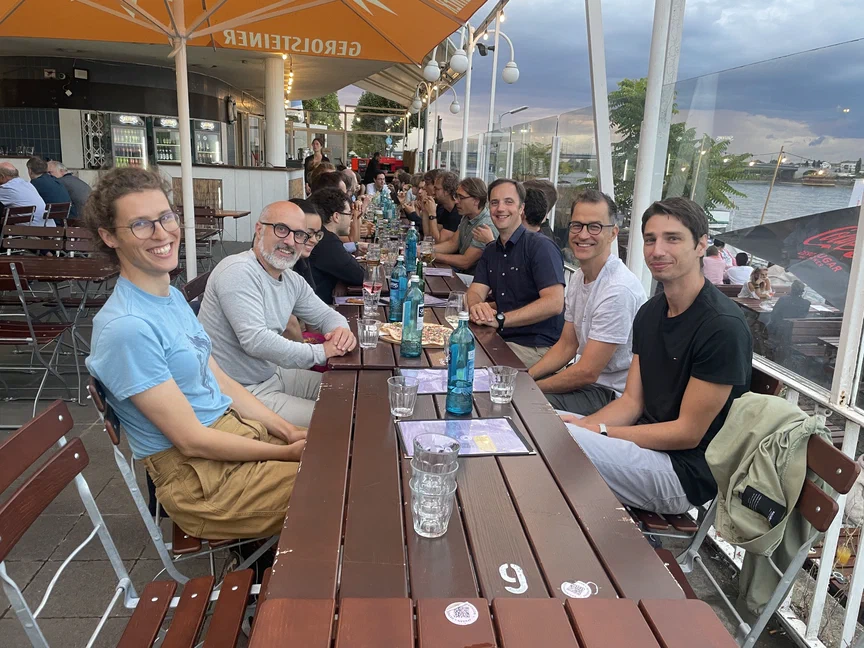
On Thursday evening, the group came together for a more informal dinner at the Rheinpavillon, offering a relaxed space for networking and personal exchange.
A Foundation Built on Four Themes
Theme 1 - Data Foundations:
Theme 2 - Core Model Development:
Theme 3 - Real-World Applications:
Theme 4 - Communication & Coordination:
Looking Ahead
The hackathon was more than a technical event - it was the first real opportunity for partners to work together in person, align their goals, and start building not just models, but shared understanding and lasting collaboration.
As the WeatherGenerator project moves forward, the connections built in Bonn will play a vital role in ensuring that this next-generation tool is scientifically robust, technically scalable, and widely usable across sectors - helping Europe stay at the forefront of climate intelligence.