How Can Magnetic Resonance Imaging (MRI) Help Us to Diagnose and Treat Neurodegenerative Disease?

DOI:
https://doi.org/10.21036/LTPUB101074Researcher
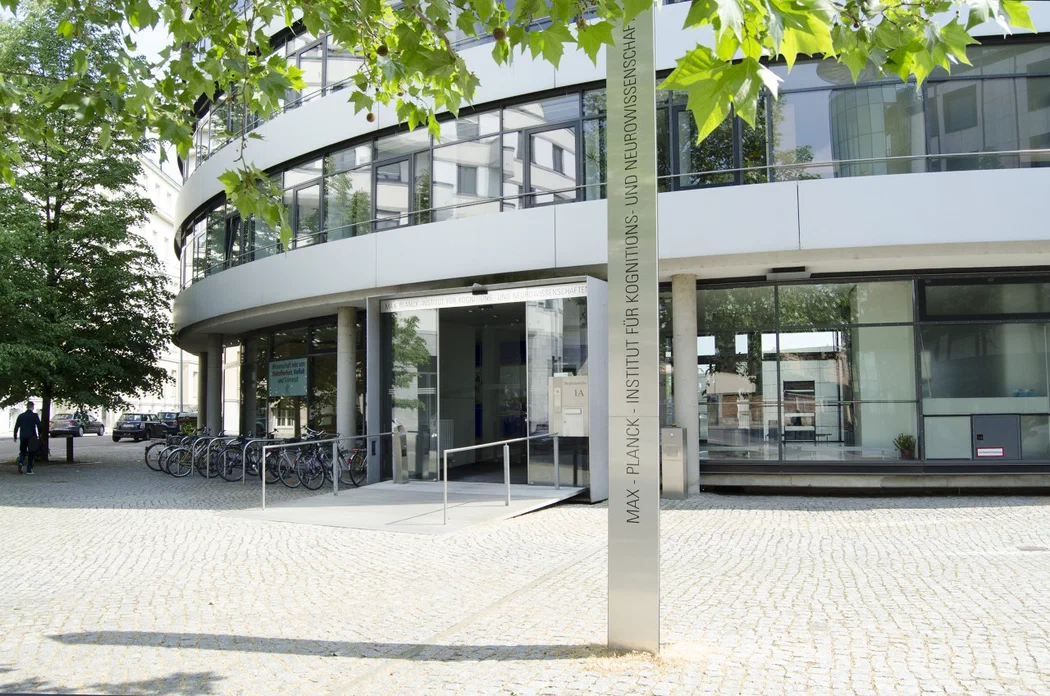
Nikolaus Weiskopf is Director of the Max Planck Institute for Human Cognitive and Brain Sciences. Holding Honarary Professorships at the University of Leipzig and University College London, Weiskopf is also an Adjunct Professor in the Center for Medical Physics and Biomedical Engineering at the Medical University of Vienna. Weiskopf’s research centers on neuroscience, specifically on using magnetic resonance imaging (MRI) of the human brain and for in vivo histology. The author of almost 200 peer-reviewed publications, Weiskopf is an associate editor for Frontiers in Brain Imaging Methods.
Original Publication
Measuring the iron content of dopaminergic neurons in substantia nigra with MRI relaxometry
Swallow tail sign: Revisited.
Malte Brammerloh,
Evgeniya Kirilina,
Anneke Alkemade,
Pierre‐Louis Bazin,
Caroline Jantzen,
Published inBook Recommendation
Freakonomics
Steven D. Levitt
In this groundbreaking book, leading economist Steven Levitt—Professor of Economics at the University of Chicago and winner of the American Economic Association’s John Bates Clark medal for the economist under 40 who has made the greatest contribution to the discipline—reveals that the answers. Joined by acclaimed author and podcast host Stephen J. Dubner, Levitt presents a brilliant—and brilliantly entertaining—account of how incentives of the most hidden sort drive behavior in ways that turn conventional wisdom on its head.
Citation
Nikolaus Weiskopf,
Latest Thinking,
How Can Magnetic Resonance Imaging (MRI) Help Us to Diagnose and Treat Neurodegenerative Disease?,
https://doi.org/10.21036/LTPUB101074
Credits:
© Nikolaus Weiskopf
and Latest Thinking
This work is licensed under CC-BY 4.0